Reviewing the Trampoline Embroidery Design for Boutique Sweatshirts
As an embroidery designer who has spent years refining digitizing techniques for small clothing brands, I approach every new machine embroidery design with a critical eye. It is not just about whether the image looks cute on a screen; it is about how those stitches will behave on thick cotton fleece, how they hold up after fifty washes, and whether they elevate the perceived value of the final garment. Recently, I had the opportunity to evaluate the Trampoline Embroidery Design for a potential capsule collection aimed at playful, family-oriented audiences. This review breaks down my professional assessment of this digital asset, specifically focusing on its application in a real-world boutique sweatshirt project.
First Impressions: Mood and Aesthetic Appeal
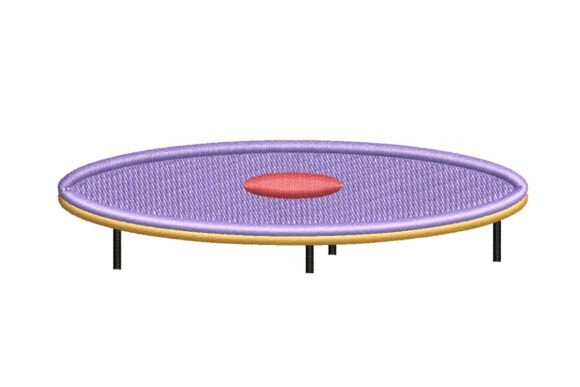
The moment I loaded the preview for the Trampoline Embroidery Design, the vibe was unmistakable. The description promises a "Fun Round Backyard Bouncer for Kids," and visually, it delivers on that promise with a distinct sense of joy. The central element—a round purple trampoline—immediately sets a tone that is both energetic and nostalgic. For a designer, color psychology is paramount. The use of purple suggests creativity and whimsy, making it an excellent candidate for spring collections or gender-neutral kids' lines.
What stands out in this embroidery file is the balance between simplicity and detail. In the world of Toys and play, overly complex designs can often look cluttered when scaled down. However, this design appears to maintain clean lines that define the structure of the trampoline without relying on excessive micro-stitching. This is crucial for maintaining a premium look. A messy, dense stitch pattern can make a high-end sweatshirt look cheap, whereas a well-digitized, open design allows the fabric texture to breathe, resulting in a softer, more luxurious hand feel.
Application on Sweatshirts and Hoodies
When planning a limited drop for a small online shop, versatility is key. I tested the visual potential of the Trampoline Embroidery Design across various apparel bases. Here is how it performs in different scenarios:
- Neutral Sweatshirts: On heather grey or oatmeal-colored fleece, the purple tones of the trampoline pop beautifully. The contrast is sharp but not aggressive, creating a modern, minimalist aesthetic that appeals to millennial parents.
- Dark Fabric: Placing this design on navy or black hoodies requires careful thread selection. The bright elements of the design need to stand out against the dark background. I recommend using high-sheen polyester threads to add a subtle luster that catches the light, enhancing the "bounce" effect described in the product details.
- Pastel Colors: For a softer, more feminine or nursery-ready look, this design works exceptionally well on blush pink or mint green hoodies. It transforms the piece from casual wear into a cherished keepsake item.
- Oversized Hoodies: The round shape of the trampoline complements the relaxed silhouette of oversized streetwear. It serves as a focal point on the chest without overwhelming the garment's drape.
For sweatshirt embroidery, placement is everything. While a large back design is trendy, I found that this specific motif shines best as a left-chest emblem or a sleeve accent. These placements feel more intentional and boutique-like, rather than mass-produced. A small, perfectly executed emblem signals quality and attention to detail, which is exactly what Etsy seller customers are looking for when they buy handmade or small-batch goods.
Technical Considerations for Production
Transitioning from a digital concept to a finished product requires addressing several technical hurdles. As a designer, my primary concern with any new digital embroidery file is stitch density relative to fabric thickness. Sweatshirts are heavy, but they are also stretchy. If the stitch density is too high, the fabric will pucker, ruining the smooth finish of the hoodie.
Based on the visual complexity of the Trampoline Embroidery Design, it appears to have a moderate density, which is ideal for fleece. However, I always advise running a test stitch-out before committing to a full production run. You must pair the design with the correct stabilizer. For knit fabrics like sweatshirt material, a cut-away stabilizer is non-negotiable. It provides the necessary support to prevent the stitches from pulling apart over time, ensuring the longevity of your custom apparel.
Another critical factor is hoop size. Since the exact dimensions were not specified in the brief description, you must check the file details to ensure it fits your standard hoops. If the design is too large for a 4x4 hoop, you may need to re-hoop for larger placements, which increases production time. For a small shop product, efficiency matters. Ensure the design fits comfortably within your most-used hoop sizes to streamline your workflow.
Washing Durability and Quality Control
Commercial viability hinges on durability. Parents will wash these sweatshirts frequently. The structural integrity of the trampoline’s round frame in the design must be robust. Look for proper underlay stitching in the file, which anchors the top stitches to the fabric. If the design feels flimsy in the preview, it will likely unravel or distort after the first wash. A high-quality embroidery file should account for pull compensation, ensuring that the circular shapes remain perfectly round even after tension changes during laundering.
Brand Identity and Market Value
Incorporating a themed design like this into your lineup does more than just add a pretty picture; it builds brand identity. For a boutique brand specializing in playful, high-quality children’s wear or nostalgic adult apparel, the Trampoline Embroidery Design acts as a visual anchor. It communicates fun, activity, and childhood joy instantly.
From a marketing perspective, this design is highly "instagrammable." The distinct purple color and recognizable shape make for excellent printable mockup previews and lifestyle product photography. When potential customers scroll through social media, a clean, well-executed embroidery shot stops the thumb. It enhances buyer trust because it shows tangible quality. Unlike printed graphics, which can crack or fade, embroidery adds texture and depth that customers can virtually "feel" through the screen.
Furthermore, using unique design assets like this helps differentiate your store from competitors who rely on generic clipart. It positions your brand as a curator of unique experiences. Whether you are selling on Etsy, at local craft fairs, or through your own Shopify store, this level of customization justifies a higher price point. Customers are willing to pay more for items that feel exclusive and carefully crafted.
Final Verdict for Creative Entrepreneurs
The Trampoline Embroidery Design is a strong contender for any designer looking to inject personality into their commercial embroidery projects. It bridges the gap between childish whimsy and modern design sensibilities. Its success, however, depends on execution. Pay close attention to your thread choices, stabilize your fabric correctly, and choose placements that highlight the design’s strengths.
Before you begin production, always verify the technical specifications of the file, including the format compatibility with your machine and the exact hoop requirements. Once those boxes are checked, this design offers a delightful way to create memorable, high-value apparel. For creative entrepreneurs and handmade product sellers, it represents an opportunity to create something that is not just worn, but loved. Embrace the bounce, refine your technique, and let this design bring a fresh energy to your next collection.