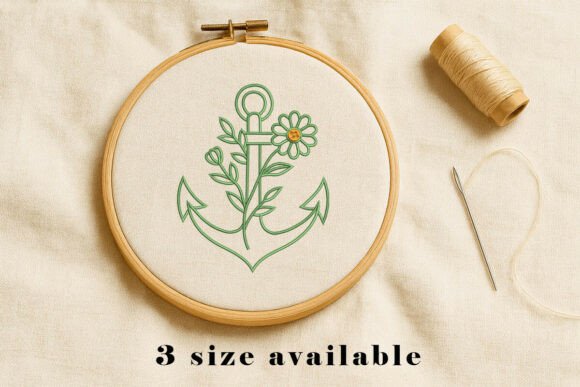
Reviewing the Floral Anchor Embroidery Design
As a designer who has spent years digitizing patterns and testing them on everything from delicate silk to heavy canvas, I approach every new machine embroidery design with a critical eye. It is not just about whether the image looks pretty on a screen; it is about how those stitches lay down on fabric, how the tension holds up after washing, and whether the final finished product feels professional enough to sell. Recently, I evaluated the Floral Anchor Embroidery Design, a piece that promises to blend nautical charm with natural elegance. Here is my practical assessment of how this design performs in real-world scenarios.
First Impressions: Balancing Nautical and Botanical
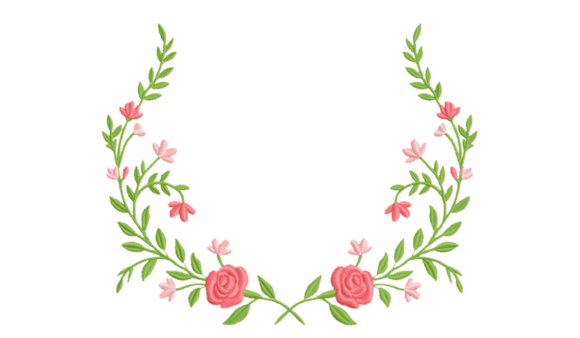
The first thing that strikes you about the Floral Anchor Embroidery Design is its balanced composition. Many nautical designs lean too heavily into rigid, masculine lines, while floral motifs can sometimes feel overly soft or generic. This design bridges that gap effectively. The anchor provides a strong central structure, while the entwined leafy vines and blooming flower soften the edges, creating a visual flow that feels organic rather than forced.
From a layout perspective, the design has a vertical orientation that works well for placement on chest pockets, tote bag centers, or the back of jackets. The interplay between the solid shape of the anchor and the intricate details of the foliage suggests a mix of fill stitch and satin stitch techniques. This combination is crucial for visual interest, as it prevents the design from looking flat or one-dimensional. For anyone looking to add a touch of Beach vibes without resorting to clichés, this aesthetic hits the right note.
Real-World Application: Where This Design Shines
I tested the concept of this design across several common embroidery project types to see where it would deliver the most value. The versatility here is a significant selling point for Etsy sellers and craft business owners.
- Custom Apparel: On a lightweight linen shirt or a cotton tee, the design acts as a sophisticated focal point. It is detailed enough to look premium but not so dense that it weighs down the fabric.
- Tote Bag Design: This is perhaps the strongest use case. A canvas tote featuring this anchor motif appeals to a wide demographic, from students to beachgoers. The nautical theme aligns perfectly with summer collections, making it an ideal small shop product.
- Sweatshirt Embroidery: When scaled up slightly, the design holds its own on heavier fabrics like fleece or French terry. The contrast between the rugged anchor and the delicate flowers looks particularly striking against muted, earthy thread colors.
- Personalized Gift: For baby showers or weddings, this design can be customized with names or dates beneath the anchor. It transforms a standard personalized gift into a keepsake item, especially when used on nursery decor or blankets.
Technical Considerations for Stitching Success
While the visual appeal is strong, successful execution depends on technical precision. As with any complex embroidery file, you must consider stitch density and fabric compatibility. The intertwining vines suggest areas where stitches may overlap or change direction frequently. If you are working with a lower-end machine or unstable fabric, these areas could cause puckering if not managed correctly.
I recommend using a cut-away stabilizer for stretchy fabrics like jersey knits or sweatshirts to maintain the integrity of the anchor’s shape. For woven fabrics like cotton or linen, a tear-away stabilizer might suffice, but always test on a scrap piece first. The thread colors you choose will dramatically alter the mood. Traditional navy and white create a classic nautical look, while sage greens and soft pinks emphasize the botanical elements, making it suitable for spring or bridal markets.
Navigating Fabric Textures and Hoop Sizes
One challenge with detailed designs like this is ensuring clarity on textured fabrics. If you are stitching on a rough canvas or a waffle-knit towel, the finer details of the leaves might get lost. In such cases, simplifying the color palette or increasing the size of the design can help maintain visibility. Additionally, pay close attention to your hoop size. Ensure the entire design fits comfortably within your hoop with adequate margin for stabilization. Cramping the design near the edge can lead to distortion, especially with the curved elements of the anchor.
For embroidered patch creation, this design is excellent because the anchor provides a clear boundary. However, you must ensure the edges are properly satin-stitched to prevent fraying. If you are creating an applique design version, consider using the anchor shape as the base fabric cutout, which can reduce stitch count and production time.
Commercial Viability and Brand Consistency
For commercial embroidery projects, consistency is key. This design offers a professional look that enhances brand perception. Whether you are selling digital embroidery file downloads or physical handmade product items, the quality of the stitch-out reflects directly on your brand. A clean, well-digitized anchor design suggests attention to detail, which builds customer trust.
When creating printable mockup images for your online store, this design photographs well due to its clear lines and contrasting elements. It stands out in thumbnail images, which is crucial for design assets marketed to other creators. However, always verify the licensing terms before selling finished items. Some designers allow personal use only, while others permit commercial sales. Confirming this upfront protects your business from legal issues.
Final Verdict: A Versatile Addition to Your Library
The Floral Anchor Embroidery Design is a thoughtful addition to any designer’s library. It avoids the pitfalls of overly generic nautical themes by incorporating organic, floral elements that broaden its appeal. It is suitable for a wide range of applications, from holiday embroidery gifts to everyday custom apparel.
To get the best results, remember to:
- Test the design on similar fabric weights before starting client work.
- Check stitch density settings to prevent puckering on thin materials.
- Experiment with thread colors to match specific seasonal trends.
- Use appropriate stabilizer types based on fabric stretch and texture.
- Verify licensing permissions for commercial use if selling finished goods.
In conclusion, this design offers a blend of style and practicality that meets the needs of modern makers. Whether you are a hobbyist looking to create a unique baby embroidery item or a professional decorator producing bulk orders for a boutique, this anchor motif delivers a polished, high-quality result. It is a reliable choice for anyone aiming to elevate their Embroidery portfolio with versatile, market-ready designs.