Review: Yorkshire Terrier Embroidery for Merch
As an embroidery designer who has spent years digitizing and testing files for commercial use, I approach every new machine embroidery design with a critical eye. It is not just about whether the image looks cute on a screen; it is about how that design translates to fabric, how it holds up after washing, and ultimately, how it serves a small business owner’s brand. Recently, I evaluated the Dog Machine Embroidery, Yorkshire Terrier, a vibrant sketch style piece that promises ease of use and visual impact. For boutique owners, pet brands, and handmade sellers, this review breaks down whether this design is ready for your next production run.
First Impressions: Visual Personality and Style
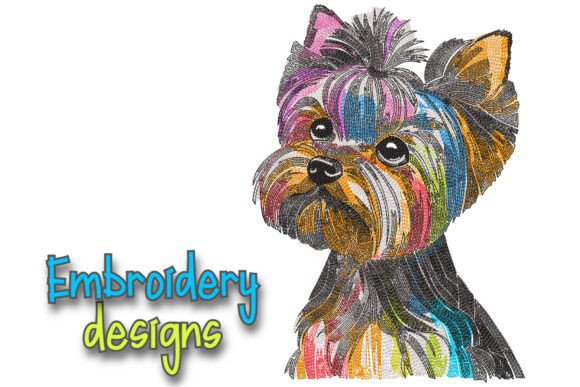
The immediate standout feature of this embroidery file is its aesthetic. Described as a "vibrant sketch style masterpiece," it moves away from the rigid, hyper-realistic portraits that often dominate the market. Instead, it offers a playful, artistic vibe. The use of rainbow hues suggests a design that is friendly, modern, and decorative. For businesses in the creative sector—such as florists, bakeries, or independent pet boutiques—this aligns perfectly with a brand identity that values warmth and approachability.
However, "rainbow hues" also presents a challenge. In professional embroidery, color management is crucial. A design with too many thread changes can increase production time and cost. When reviewing Dog Machine Embroidery, Yorkshire Terrier, I looked closely at how these colors transition. Does the sketch style rely on blending, or distinct blocks of color? For a small business, understanding this distinction helps in pricing your custom apparel or merchandise accurately. If the design requires frequent thread trims, it may not be suitable for high-volume uniform orders, but it could be perfect for limited-edition handmade product lines.
Real-World Applications for Small Business Merch
The true test of any digital asset is its versatility. Here is how this Yorkshire Terrier design performs across various common merchandise items:
- Embroidered Patches: This is perhaps the strongest use case. The sketch style allows for creative edge finishing. Whether you choose a merrowed edge or a raw-edge satin stitch, the vibrant colors pop against a neutral backing. Patches are low-risk inventory for Etsy sellers and can be applied to jackets, bags, or hats later, offering customers flexibility.
- Apron Embroidery: For pet groomers, dog walkers, or café staff who love animals, this design works well as a chest accent. The "ease-of-use" claim suggests the digitization avoids excessive underlay that might make the apron stiff. However, always test on the specific fabric weight of your aprons.
- Tote Bag Design: Canvas tote bags are a staple for boutique retail. The rainbow palette of the Dog Machine Embroidery, Yorkshire Terrier contrasts beautifully with natural cotton or dark denim totes. It serves as an excellent branded add-on for customer purchases, enhancing the unboxing experience.
- Cap Embroidery: Caps are tricky due to the curved surface and limited space. This design’s sketch style might work well on the side panel or back of a cap, where a smaller, less dense logo is preferred. Avoid placing complex, wide designs on the front panel unless you confirm the hoop size accommodates it without distortion.
Technical Considerations and Stitch Density
While the visual appeal is high, technical execution determines the quality of the finished product. The description mentions "ease-of-use," which often implies optimized stitch paths, but designers must verify this. High stitch density can cause puckering, especially on lighter fabrics like t-shirts or linen. Conversely, low density on heavy fabrics like denim may look sparse and unprofessional.
When working with a multi-colored sketch style, pay attention to thread colors. Ensure there is enough contrast between adjacent colors to maintain the integrity of the sketch lines. If the colors are too similar, the details will blur together, losing the "visually striking" effect promised in the product description. Always run a test stitch-out on a scrap piece of your actual production fabric. This step is non-negotiable for maintaining brand identity and professionalism.
Another critical factor is the stabilizer. For a design with varied hues and potential directional stitching, a cut-away stabilizer is often recommended for garments that will be washed frequently, such as staff uniforms. For patches or tote bags that undergo less stress, a tear-away might suffice, but testing is key to preventing distortion.
Brand Identity and Customer Trust
Incorporating specific imagery like a Yorkshire Terrier does more than decorate a product; it signals niche expertise. For a pet-focused business, using a high-quality digital embroidery file of a recognizable breed builds immediate rapport with customers. It shows attention to detail and a genuine connection to the subject matter.
Consistency is vital. If your small business merch includes this vibrant terrier, ensure it complements your other design assets. Does the sketch style match your logo’s font? Do the rainbow hues clash with your primary brand colors? Using this design as a secondary element—such as on packaging accents or loyalty cards—can enhance visual consistency without overwhelming your primary logo. A cohesive look increases customer trust and perceived value, turning a simple embroidered item into a collectible brand artifact.
Where to Use Caution
Not every application is ideal. Be cautious when using this design on:
- Dark Uniforms: Rainbow hues may require white underlay or specific thread choices to remain visible on black or navy fabrics. Without proper digitizing adjustments, colors can look muted.
- Small Patch Sizes: Sketch styles rely on line work. If scaled down too much, the details may merge. Check the minimum recommended size before committing to tiny labels or tags.
- Textured Fabric: Heavy textures like terry cloth or thick wool can obscure fine sketch lines. Ensure the hoop size and needle choice are appropriate for the material to prevent skipped stitches.
Practical Designer Notes for Production
Before launching this design into your commercial workflow, follow these steps to ensure quality:
- Test in Black and White: Convert the design to grayscale in your software to check for contrast issues. If the sketch lines disappear in black and white, they may lack definition in color too.
- Verify Commercial Licensing: The product description does not explicitly state license terms. Always confirm with the seller that the commercial embroidery rights are included for physical goods sales. Never assume a file is free for resale use.
- Create a Printable Mockup: Before stitching, create a printable mockup to show clients or stakeholders. This helps manage expectations regarding size and color placement.
- Check File Formats: Ensure the download includes the format compatible with your machine (e.g., PES, DST, JEF). Missing formats can delay production.
- Inspect Spacing: Look for overlapping stitches or tight turns that could cause thread breaks. A well-digitized file should have smooth transitions, even in sketch-style outlines.
In conclusion, the Dog Machine Embroidery, Yorkshire Terrier offers a charming, modern option for businesses looking to add personality to their merchandise. Its success lies in thoughtful application. By respecting the technical limits of embroidery and aligning the design with your brand’s voice, you can create standout products that resonate with dog lovers and design enthusiasts alike. Always prioritize testing and licensing verification to protect your business and deliver a premium finished product.