Review: Hatching Chick Embroidery for Small Business Merch
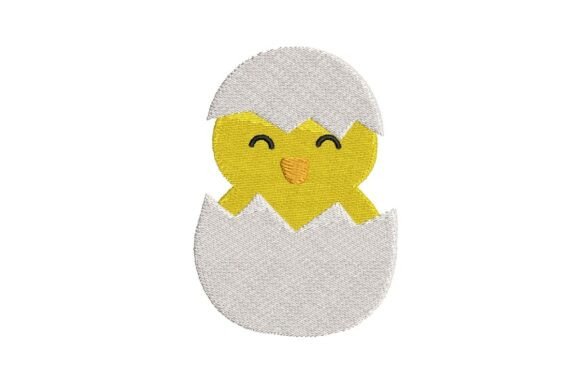
As an embroidery designer who has spent years digitizing files and consulting with small business owners, I approach every new design with a critical eye. It is not enough for a motif to be cute; it must be functional, scalable, and capable of elevating a brand’s perceived value. Recently, I evaluated the Hatching Chick Embroidery design to determine its viability for commercial use. This is a simple and cute embroidery design of a baby chick hatching from an egg. The chick, bright yellow with a smiling face, is peeking out from the cracked, off-white eggshell. The design has a cl, which suggests a clean, contained shape ideal for various applications. Below is my professional assessment of how this asset performs in real-world business scenarios.
First Impressions: Visual Personality and Brand Fit
The immediate impression of the Hatching Chick Embroidery is one of approachable warmth. In the world of branding, we often talk about the "friendliness factor," and this design scores highly. It does not attempt to be overly complex or hyper-realistic. Instead, it leans into a playful, handmade aesthetic that resonates with customers looking for authenticity. For businesses in the bakery, florist, pet care, or children’s boutique sectors, this visual language is gold. It signals care, gentleness, and joy.
However, simplicity can be a double-edged sword. A design that is too simple may look amateurish if not executed with precision. Fortunately, the description indicates a clear contrast between the bright yellow chick and the off-white eggshell. This color blocking is essential for legibility, especially when the design is scaled down for patches or chest logos. It feels modern yet classic, avoiding trendy elements that might date the merchandise within a year.
Real-World Applications for Small Business Merch
When I advise clients on selecting a digital embroidery file, I always ask: "Where will this live?" The Hatching Chick Embroidery is versatile, but it shines brightest in specific contexts. Here is how I envision it performing across different product lines:
- Embroidered Patches: This is perhaps the strongest use case. The contained shape of the egg makes it perfect for die-cut or merrowed edge patches. These can be sewn onto denim jackets, canvas tote bags, or used as limited-edition collectibles for loyal customers.
- Staff Uniforms and Aprons: For a café or boutique, uniform consistency builds trust. Placing this design on the left chest of an apron or polo shirt adds a touch of personality without being overwhelming. It humanizes the staff and creates a welcoming atmosphere.
- Cap Embroidery: Caps are high-value items, but they have limited space. The compact nature of a hatching chick fits well on the front panel of a baseball cap. However, curvature is a challenge, so proper digitizing for curved surfaces is non-negotiable.
- Tote Bag Design: Canvas totes are a staple for eco-conscious brands. A centered or corner-placed chick adds a whimsical element that encourages daily use, turning customers into walking billboards.
- Product Packaging Accents: Imagine this stitched onto a small fabric tag attached to handmade soaps, knitted goods, or baked items. It elevates the unboxing experience and reinforces the brand identity as thoughtful and detailed.
Technical Considerations and Production Risks
While the aesthetic is promising, production reality requires scrutiny. As a designer, I look for potential pitfalls before sending a file to the machine. Here are the critical technical factors to consider with the Hatching Chick Embroidery:
Stitch Density and Fabric Texture
The description mentions a "simple" design, which usually implies lower stitch density. This is beneficial for lightweight fabrics like cotton tees or linen totes, as it prevents puckering. However, if you are embroidering on textured fabric like terry cloth towels or thick fleece, you must ensure the off-white eggshell details do not get lost in the pile. A proper stabilizer is crucial here. I recommend testing on the exact fabric weight you intend to use for your custom apparel.
Color Contrast and Thread Selection
The bright yellow chick against an off-white shell relies on subtle contrast. On white garments, the eggshell might disappear. To mitigate this, consider using a slightly darker cream or beige thread for the shell, or add a thin satin stitch border around the entire design to separate it from the garment color. Always check your thread colors under the lighting conditions where the product will be displayed.
Size Limitations
Do not assume this design works at any size. If you shrink it too much for a tiny label, the smiling face and cracked shell details may merge into a blob. Conversely, blowing it up too large might reveal jagged edges if the original digitizing was not optimized for scale. You must confirm the recommended hoop size and minimum dimensions with the file provider.
Enhancing Brand Identity and Customer Trust
Why does a small chick matter to your bottom line? Because consistent, high-quality visual assets build recognition. When a customer sees the same Hatching Chick Embroidery on your website, your packaging, and your staff’s aprons, it creates a cohesive narrative. It tells the customer that you pay attention to detail. In the realm of small business merch, this perception of quality justifies higher price points.
Furthermore, seasonal relevance drives sales. While this is an Easter themed design, its appeal extends beyond the holiday if positioned correctly. For a pet brand, it represents new life and care. For a bakery, it suggests freshness. By integrating this design into your year-round design assets, you create evergreen products that feel fresh rather than dated.
Practical Designer Notes for Implementation
Before you purchase and produce, follow this checklist to ensure professional results:
- Test in Black and White: Print the design in grayscale first. If you cannot distinguish the chick from the egg, the contrast is too low for effective branding.
- Verify Commercial Licensing: Never assume a machine embroidery design is free for commercial use. Check the license terms explicitly. You need the right to sell physical items featuring this design.
- Create a Printable Mockup: Use digital tools to place the design on photos of your actual products. This helps visualize scale and placement before stitching a single thread.
- Check File Formats: Ensure the embroidery file is compatible with your machine brand (e.g., PES, DST, JEF). Poorly converted files can cause thread breaks and registration errors.
- Inspect Spacing: Look closely at the gap between the chick and the shell. If it is too narrow, threads may bridge the gap, ruining the clean look. If too wide, the design may look disjointed.
In conclusion, the Hatching Chick Embroidery is a strong contender for small businesses seeking to add a touch of warmth and professionalism to their merchandise. It balances cuteness with clarity, making it suitable for patches, uniforms, and branded gifts. However, success lies in the execution. By respecting the technical limitations of embroidery and aligning the design with your broader brand identity, you can transform a simple motif into a powerful tool for customer engagement. Always prioritize quality control, test extensively, and let the craftsmanship speak for itself.