Review: Minimal Leaf Plant Embroidery Design for Brands
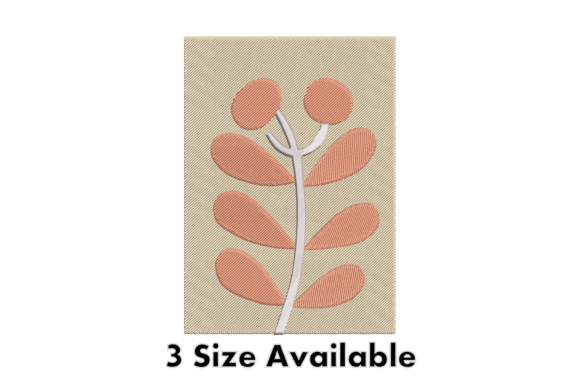
As an embroidery designer who has spent years digitizing files and consulting with small business owners, I have learned that the difference between a hobbyist project and a professional brand asset often comes down to design selection. When I first opened the Minimal Leaf Plant Embroidery Design, my immediate impression was one of refined simplicity. In a market saturated with overly complex floral patterns, this piece stands out by embracing negative space and clean lines. It feels modern, elegant, and undeniably premium.
For those operating in the Single Flowers category or looking to expand their Embroidery portfolio, this design offers a versatile foundation. However, the true test of any digital embroidery file is not how it looks on a screen, but how it performs when stitched onto real-world merchandise. Let us dive into how this minimal leaf plant embroidery design functions as a critical tool for branded patches, custom apparel, and small business merch.
First Impressions: Visual Personality and Brand Fit
The aesthetic of this design is deceptive in its simplicity. It does not shout; it whispers. This makes it an ideal candidate for brands that want to convey sophistication without being loud. Whether you are running a boutique florist shop, a high-end bakery, or a creative studio, the visual language here is friendly yet professional. It avoids the rustic clutter often found in botanical designs, opting instead for a streamlined look that translates well across various mediums.
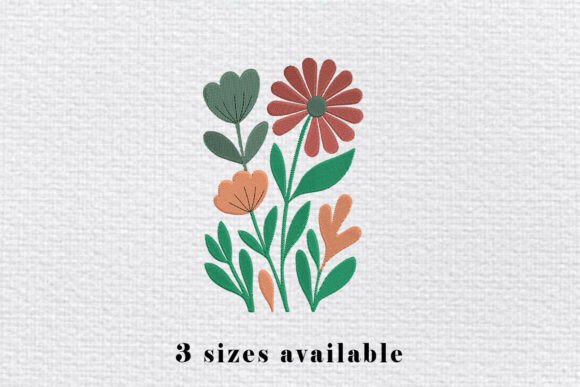
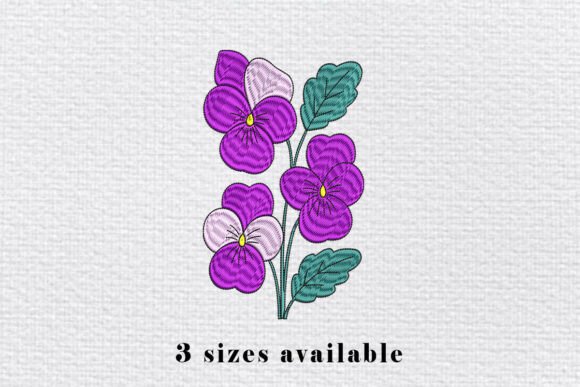
When evaluating this for client work, I look for versatility. The description notes that this upper line machine embroidery file is available in three sizes. This scalability is crucial. A design that loses its integrity when scaled down is useless for chest logos or sleeve details. Conversely, a design that becomes sparse when enlarged fails on tote bags or cushions. This minimal leaf plant embroidery design appears to maintain its structural balance, suggesting it can handle the transition from a subtle accent to a focal point.
Real-World Application for Small Business Merchandise
Let us consider a practical scenario. Imagine a local café wanting to upgrade their staff uniforms. They do not want a massive logo across the back; they want a subtle mark of quality on the apron pocket or the left chest of a work shirt. Here, the minimal leaf plant embroidery design shines. Its clean lines ensure that even at a smaller scale, the shape remains recognizable. This enhances brand identity by adding a touch of organic elegance to standard uniforms, increasing perceived value and customer trust.
Beyond apparel, consider the booming market for embroidered patches. Patches are a low-risk, high-reward product for Etsy sellers and handmade brands. Because this design is minimal, it likely requires less thread and shorter run times compared to dense floral fills. This efficiency can improve profit margins on small business merch. You can create a series of these patches for tote bags, laptop sleeves, or denim jackets, offering customers a way to customize their own goods while promoting your brand.
For event merch or customer gifts, such as branded tote bags or canvas cushions, the design’s simplicity allows it to pair well with other text elements. You might combine this leaf motif with your business name in a complementary font. The result is a cohesive printable mockup that looks expensive but is cost-effective to produce. This is the essence of effective commercial embroidery: maximizing visual impact while minimizing production complexity.
Navigating Technical Challenges and Fabric Constraints
While the design is robust, no digital embroidery file is immune to the physical realities of stitching. As a designer, I must advise caution in specific applications. First, consider the fabric texture. On highly textured materials like thick wool or rough canvas, fine lines can get lost. If you are using this for cap embroidery, remember that the curved surface of a baseball cap front can distort linear designs. Always test on a similar curved surface before committing to a large batch.
Stitch density is another critical factor. Although this is a minimal design, the "upper line" style means there may be long runs of stitching without much underlay or connecting satin stitches. On stretchy fabrics like t-shirts, this can lead to puckering if the stabilizer is not chosen correctly. I recommend using a cut-away stabilizer for garments that will undergo frequent washing, ensuring the finished product retains its shape and the embroidery remains flat.
Additionally, be mindful of thread color contrast. On dark uniforms, a single-color outline might not pop enough. You may need to adjust the thread colors or add a subtle backing stitch to ensure visibility. Always check the spacing between lines. If the design is scaled down too far for a tiny label or tag, the threads might merge, creating a blob rather than a leaf. This is why checking the hoop size limitations and testing at the smallest intended size is non-negotiable.
Elevating Brand Identity Through Consistent Design Assets
Consistency is the cornerstone of brand recognition. Using a distinct visual element like the minimal leaf plant embroidery design across all your touchpoints creates a unified brand experience. When a customer sees this same elegant leaf on your website, your packaging, your apron, and your tote bag, it reinforces professionalism. It tells the buyer that attention to detail is a core value of your business.
This design also supports the narrative of a handmade product. In an era of mass production, embroidery signals care and craftsmanship. By incorporating this design into your product labels or as a small accent on packaging, you elevate the unboxing experience. It transforms a simple transaction into a memorable interaction, fostering buyer engagement and loyalty.
Practical Designer Notes for Production
Before you load this file into your machine for a commercial run, follow these steps to ensure success:
- Test in Black and White: Remove color from your simulation to check if the design holds up based on shape alone. If it looks weak in monochrome, it may lack definition on low-contrast fabrics.
- Verify Commercial Licensing: Ensure the license terms allow for the number of units you plan to produce. Never assume; always read the fine print of the digital embroidery file provider.
- Create a Mockup: Use software to place the design on a photo of your actual product. This helps clients visualize the final result and approve the placement before stitching begins.
- Check Hoop Size Compatibility: Confirm that the largest size of the design fits within your available hoop, especially if you are working with smaller home machines.
- Select the Right Stabilizer: Match the stabilizer to the fabric weight. Lightweight fabrics need more support to prevent distortion from the stitch pull.
In conclusion, the minimal leaf plant embroidery design is more than just a decorative element; it is a strategic asset for small business owners. It bridges the gap between aesthetic appeal and production efficiency. By understanding its strengths and respecting its technical requirements, you can leverage this design to create high-quality, branded merchandise that resonates with your audience. Whether for custom apparel, embroidered patches, or boutique accessories, this design offers the elegance and simplicity modern brands crave.