Wildflower Embroidery Design File Review
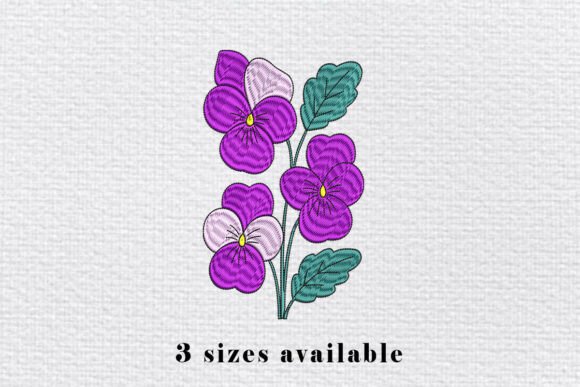
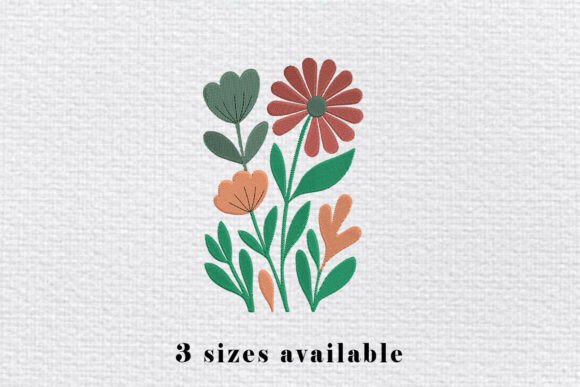
As an embroidery designer who has spent countless hours digitizing patterns and testing them on various fabrics, I approach every new machine embroidery design with a critical eye. It is not just about whether the pattern looks good on a screen; it is about how it translates into thread, how it behaves on different textiles, and ultimately, how it resonates with the person receiving the finished item. Recently, I had the opportunity to review the Wildflower Embroidery Design File, a digital asset categorized under Single Flowers, intended for those looking to add a timeless floral touch to their creations. My goal was to determine if this design holds up under the rigorous demands of a personalized gift shop environment.
First Impressions: Mood and Aesthetic Appeal
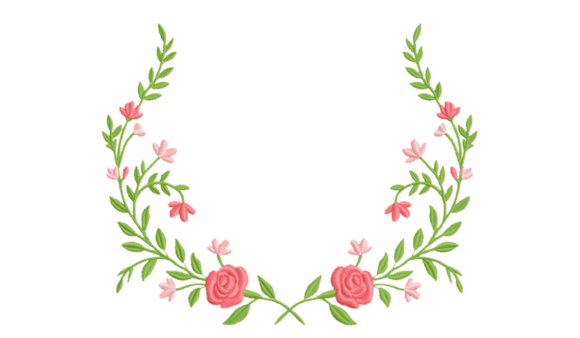
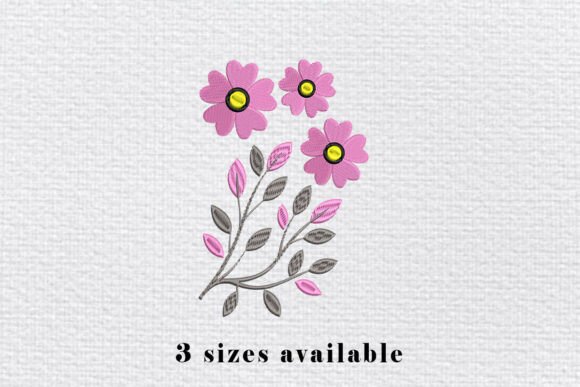
Upon opening the preview of the Wildflower Embroidery Design File, the immediate impression is one of gentle elegance. Unlike bold, modern geometric patterns or overly complex botanical illustrations that can sometimes look cluttered when stitched, this design strikes a balance between simplicity and charm. It feels inherently handmade, evoking a sense of nostalgia and warmth. The lines appear clean, suggesting a thoughtful approach to stitch placement that avoids excessive bulk.
For a crafter or an Etsy seller, the mood of a design is crucial. This particular pattern leans towards the romantic and classic side of the spectrum. It is not overly playful or childish, nor is it starkly modern. This versatility makes it an excellent candidate for a wide range of demographics. Whether you are targeting new parents looking for nursery decor or couples seeking a subtle wedding keepsake, the aesthetic fits seamlessly. The emotional appeal lies in its understated beauty; it does not shout for attention but rather invites a closer look, which is exactly what you want in a high-quality personalized gift.
Practical Applications for Your Small Shop Product Line
When planning inventory for a small business, versatility is key. I tested the potential applications of this embroidery file across several popular product categories. Here is where I believe it shines brightest:
- Baby Embroidery and Nursery Items: The soft, organic nature of wildflowers makes this design perfect for baby blankets and burp cloths. It adds a delicate touch without being overwhelming. However, always consider the fabric texture of baby items, as they are often made from softer, stretchier materials that require careful hooping.
- Wedding Gifts and Keepsakes: For bridesmaids' proposals or anniversary gifts, this design works beautifully on handkerchiefs or tote bags. Its classic look ensures it will not feel dated in a few years, enhancing the perceived value of the handmade product.
- Kitchen and Home Decor: An embroidered towel or apron featuring this wildflower motif can elevate a simple kitchen accessory into a cherished heirloom. The design scales well for smaller items like tea towels, provided the details remain crisp.
- Pillow Covers and Blankets: For home decor, placing this design on a linen pillow cover creates a sophisticated, cottage-core vibe. Blanket embroidery requires checking the stitch density to ensure the fabric does not pucker, but the open nature of many wildflower designs usually mitigates this risk.
Navigating Technical Challenges and Fabric Constraints
While the visual appeal is strong, any experienced embroiderer knows that the devil is in the details. Before adding this to your catalog of commercial embroidery offerings, you must address specific technical constraints. I recommend proceeding with caution in the following scenarios:
Delicate Details and Small Lettering: If you plan to combine this flower with monograms or names, ensure the text is large enough. Intricate floral stems can get lost if paired with tiny, serif fonts. Always stitch out a test sample to confirm that the fine lines of the petals do not merge or break, especially on textured fabrics like terry cloth towels.
Fabric Texture and Stability: Thick towels and stretchy baby clothes present unique challenges. On thick towels, the loops of the fabric can obscure fine stitching. You may need to use a topping stabilizer to keep the stitches visible and clean. For stretchy knits, a cut-away stabilizer is non-negotiable to prevent distortion after washing. Always check the recommended hoop size for your specific machine to ensure the design fits comfortably without needing re-hooping, which can lead to misalignment.
Dark Fabrics and Thread Contrast: Wildflower designs often rely on subtle color gradients. On dark fabrics, you must carefully select thread colors that provide sufficient contrast. A pastel pink might disappear on a navy blue shirt. I advise creating both light and dark fabric mockups before finalizing your product listings. This helps customers visualize the finished product accurately and reduces return rates due to mismatched expectations.
Enhancing Giftability and Customer Trust
In the world of online selling, particularly for digital product sellers and handmade creators, the perceived value of an item is heavily influenced by its presentation. The Wildflower Embroidery Design File contributes significantly to giftability. A well-executed floral embroidery suggests care, effort, and artistic taste. When a customer receives a custom tote bag or a personalized pillow with this design, the emotional connection is immediate. It feels special, not mass-produced.
This emotional resonance drives buyer engagement. High-quality images of the stitched design—showing the texture of the thread and the cleanliness of the backside—build trust. If you are an Etsy seller, using a printable mockup alongside real photos of the stitched design can help bridge the gap between imagination and reality. Customers are more likely to purchase when they can see how the custom embroidery looks on a real-life item, such as a canvas bag or a cotton onesie.
Essential Pre-Production Checklist
Before you list this design in your shop or fulfill a customer order, follow this practical checklist to ensure professional results:
- Test on Scrap Fabric: Never stitch a new design directly on a final product. Use scrap pieces of the exact fabric you intend to sell to check for puckering or thread breaks.
- Verify File Formats: Ensure the digital embroidery file includes the formats compatible with your machine. The product description mentions it is designed for machine embroidery, but always double-check the specific extensions provided.
- Check Stitch Density: Review the density settings. If the design is too dense for lightweight fabrics, it may cause stiffness. Adjust if necessary, or choose heavier fabrics like denim or canvas for optimal results.
- Confirm Commercial Licensing: This is critical for small business owners. Verify the license terms associated with the Wildflower Embroidery Design File. Ensure you have the right to sell finished products featuring this design. If the terms are unclear, contact the designer before proceeding.
- Inspect Small Details: After stitching, examine the tiniest petals and leaves. Are they defined? Do they pull? This quality control step is what separates amateur work from professional small shop products.
In conclusion, the Wildflower Embroidery Design File is a promising addition to any embroiderer’s library. Its timeless appeal, combined with its versatility across baby, wedding, and home decor markets, makes it a strong contender for your next collection. By paying attention to fabric choices, stabilizer types, and thread contrast, you can transform this digital file into a tangible, heartfelt gift that customers will cherish. Remember, the success of any personalized gift lies not just in the design itself, but in the care taken during its execution.