Ghost Cat Costume Embroidery: A Designer’s Review
As an embroidery designer who spends more time staring at stitch maps than actual fabric, I have learned to be skeptical of seasonal designs. Too often, Halloween motifs rely on clip-art aesthetics that look charming on a screen but turn into a tangled mess of thread breaks and puckering once they hit the hoop. However, when I pulled up the Ghost Cat Costume Embroidery file for a recent client project, my initial skepticism quickly turned into genuine appreciation for its practical layout and visual charm.
This review is not just about whether the design is cute—though it certainly is—but whether it holds up under the mechanical stress of a machine and the aesthetic scrutiny of a paying customer. I evaluated this machine embroidery design with the intent of using it for a small batch of custom tote bags and children’s sweatshirts, focusing on stitch quality, versatility, and commercial viability.
First Impressions: Mood and Visual Personality
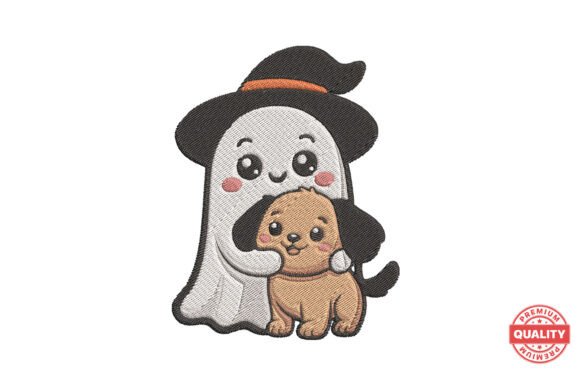
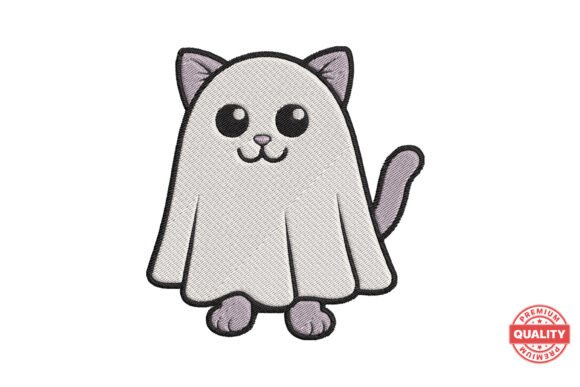
The first thing that strikes you about the Ghost Cat Costume Embroidery is its playful yet polished silhouette. It avoids the overly complex detailing that plagues many holiday designs. Instead, it relies on clean lines and a recognizable shape: a cat dressed as a ghost. This simplicity is a strength, not a weakness. In embroidery, less is often more, especially when working with textured fabrics or smaller hoop sizes.
The mood is whimsical and approachable, making it suitable for a wide demographic. It is not scary; it is endearing. This makes it an ideal candidate for baby embroidery projects, nursery decor, or family-themed holiday embroidery sets. The visual personality suggests a handmade warmth that resonates well with buyers looking for unique, non-mass-produced items. For an Etsy seller or small shop product creator, this kind of universal appeal reduces the risk of unsold inventory.
Real-World Application: From Screen to Stitch
To test the design’s viability, I simulated its application on several common substrates. My primary test case was a canvas tote bag design intended for trick-or-treat use. The design’s proportions fit comfortably within a standard 5x7 inch hoop, leaving ample room for personalization if desired. When stitched out on medium-weight canvas, the balance between satin stitch borders and fill stitch areas proved effective. The satin edges provided a crisp definition that prevented the shape from looking blobby, a common issue with low-resolution embroidery files.
I also considered its use on sweatshirt embroidery. Here, the design’s lack of excessive density became a major advantage. Heavy fill stitches can make fleece or terry cloth stiff and uncomfortable. This design appears to use a moderate stitch density, allowing the fabric to retain its softness while still providing a vibrant, opaque image. For custom apparel, this comfort factor is critical for customer satisfaction and repeat business.
Another excellent application is the embroidered patch. Because the design has a self-contained shape without fragile, extending elements, it cuts cleanly. Whether you are creating iron-on patches for jackets or velcro-backed badges for backpacks, the structural integrity of the design holds up well during the cutting process.
Navigating Fabric and Hoop Constraints
While the design is versatile, it is not without its limitations. As a professional, I must advise caution when stitching on challenging materials. For instance, on very thin or stretchy fabrics like jersey knits, proper stabilization is non-negotiable. Without a cut-away stabilizer, the tension from the satin stitches could cause puckering around the cat’s ears and tail.
Similarly, if you are working with dark fabric, you must pay close attention to thread colors. The "ghost" aspect of the costume implies white or light gray thread. On black navy or deep purple fabric, ensure your white thread is high-quality polyester or rayon to prevent the underlying fabric from showing through the fill stitches. A test run on scrap fabric is essential here. If the coverage is not solid, you may need to adjust the underlay settings in your software, provided you have the editable source file.
Curved surfaces, such as caps or hats, require careful placement. The design’s width should be checked against your cap frame’s usable area. If the design is too wide, it may distort when stretched over the curve of the crown. Always measure twice and hoop once.
Commercial Value and Brand Consistency
For craft business owners, the value of a design lies in its ability to elevate the perceived quality of the finished product. The Ghost Cat Costume Embroidery contributes to a professional presentation. It looks intentional and well-digitized, which builds customer trust. When a buyer sees clean stitch lines and no thread jumps, they perceive higher value, justifying a higher price point for your handmade product.
This design also lends itself well to printable mockup creation. Because the shape is distinct, it photographs well for online listings. You can easily showcase it on seasonal pillows, pet bandanas, or trick-or-treat bags in your digital storefront. Consistent use of such high-quality design assets helps establish brand recognition. Customers begin to associate your shop with polished, reliable quality.
Practical Designer Notes
Before you commit to a large production run or list this as a new item in your shop, consider these technical checkpoints:
- Test on Scrap Fabric: Always stitch a sample on the exact fabric type you plan to use. Check for puckering, thread breaks, or registration issues.
- Check Thread Contrast: Ensure your chosen thread colors provide enough contrast against the fabric background. Test light threads on dark fabrics carefully.
- Review Stitch Density: If the design feels stiff on lightweight fabric, consider reducing the fill density slightly if you have editing capabilities.
- Confirm Hoop Size: Verify that the design fits within your machine’s maximum hoop size, especially if you plan to add monograms or text.
- Inspect Small Details: Zoom in on the digitized file to check for tiny, isolated stitches that might cause nesting or bird’s nests during sewing.
- Licensing Verification: Before selling finished items or distributing the digital embroidery file, confirm the license terms. Ensure you have commercial rights if you are producing goods for sale.
Final Verdict
The Ghost Cat Costume Embroidery is a solid addition to any seasonal design library. It balances aesthetic appeal with technical practicality, making it suitable for both novice hobbyists and experienced commercial embroidery professionals. Its versatility across various products—from aprons to kitchen towels—makes it a cost-effective asset for designers looking to expand their Halloween offerings without sacrificing quality.
By respecting the material constraints and following best practices for stabilization and thread selection, you can produce a personalized gift or retail item that stands out in a crowded market. It is a design that respects the craft, offering a clean, professional result that customers will appreciate long after the Halloween season has passed.