Earring Sea Turtle Embroidery: A Designer’s Review
As an embroidery designer who has spent countless hours hooping, stitching, and troubleshooting designs for weekend craft fairs, I approach every new machine embroidery design with a critical eye. It is not just about whether the file runs smoothly; it is about whether the final piece stops a customer in their tracks. Recently, I loaded the Earring Sea Turtle Embroidery into my software to evaluate its potential for my upcoming market season. This review breaks down how this design performs in real-world scenarios, from booth displays to online listings.
First Impressions: Whimsy Meets Professional Polish
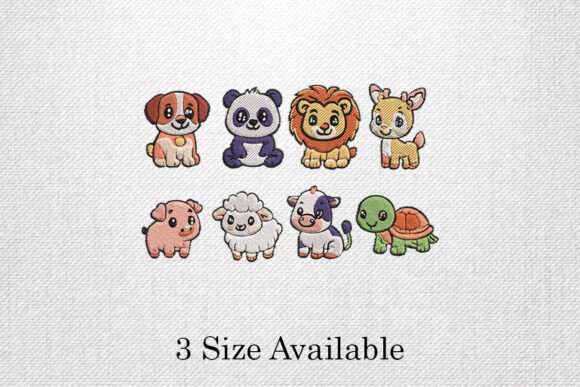
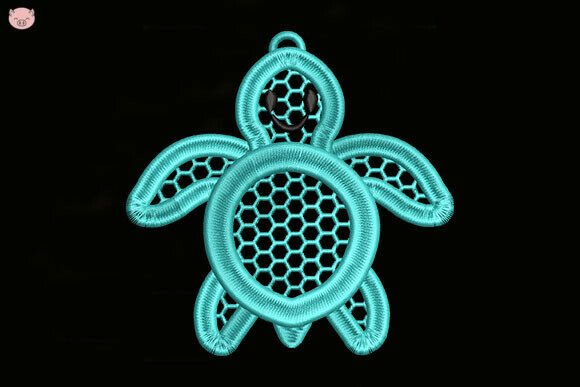
The first thing that strikes me about the Earring Sea Turtle Embroidery is its playful yet polished aesthetic. While the product category lists it under Baby Animals, the design feels versatile enough to appeal to ocean lovers of all ages. The concept of a sea turtle wearing earrings is inherently charming, blending a love for marine life with a touch of human-like personality. This whimsical twist makes it stand out against standard nautical motifs.
In terms of style, it leans towards cute and modern rather than rustic or farmhouse. For a craft fair seller, this is a significant advantage. Cute sells, especially when it is executed with clean lines and professional finish. The design feels decorative and soft, making it an excellent candidate for items that require a gentle, approachable vibe. It does not scream for attention with aggressive boldness but rather invites closer inspection, which is exactly what you want when a customer is browsing your table.
Product Potential: Where This Design Shines
When preparing a table display, I always look for designs that can translate across multiple product types. The Earring Sea Turtle Embroidery is particularly strong on specific handmade product categories. Here is how I envision it performing:
- Tote Bags and Market Bags: This is arguably the best application. A canvas tote provides a flat, stable surface that allows the details of the turtle and its accessories to shine. As a tote bag design, it becomes a statement piece that customers can wear proudly, turning them into walking advertisements for your brand.
- Tea Towels and Aprons: Kitchen textiles are staples at craft fairs. For tea towel embroidery, the design needs to be crisp. If the stitch count allows for clear definition without excessive bulk, this turtle would make a delightful addition to a set of summer-themed kitchen linens. Similarly, an apron featuring this design appeals to home cooks who appreciate a bit of humor in their workspace.
- Embroidered Patches: Patches are high-margin, low-effort items if produced in batches. An embroidered patch of this sea turtle could be ironed onto denim jackets, backpacks, or hats. The self-contained nature of the character makes it ideal for this format.
- Caps and Headwear: Curved surfaces are tricky. If the design is small enough to fit on the front panel of a cap without distorting, it could be a hit. However, one must be cautious of stitch density on structured caps to avoid puckering.
Practical Production and Selling Points
From a production standpoint, the viability of any digital embroidery file depends on its ease of use. When reviewing the Earring Sea Turtle Embroidery, I consider how it photographs for online listings. Designs with distinct shapes and contrasting elements tend to pop in photos. The earrings add a unique focal point that draws the eye, which is crucial for scrolling shoppers on platforms like Etsy. For an Etsy seller, having a design that looks good in a printable mockup or a flat-lay photo is half the battle.
Batch production is another key factor. Is this design repeatable? Yes. Because it is a contained character design, it does not require complex alignment with seams or edges, making it faster to hoop and stitch repeatedly. This efficiency is vital for small shop owners who need to maximize output before a busy market weekend.
Navigating Technical Challenges
While the design is promising, there are careful-use notes to consider. Any design with small details, such as the earrings or facial features, risks losing clarity if stitched too small or on textured fabrics. Fabric texture plays a huge role here. A fluffy terry cloth towel might swallow up fine details, whereas a smooth cotton or linen will preserve them.
Additionally, consider the thread colors. Sea turtles typically involve greens, browns, and blacks. If you are stitching on dark fabric, you may need to adjust the color palette or use a lighter backing to ensure the design remains visible. Always check the hoop size requirements. If the design is large, ensure your machine can accommodate it without re-hooping, which introduces alignment errors.
Enhancing Visual Appeal and Brand Consistency
The Earring Sea Turtle Embroidery contributes significantly to visual appeal. In a crowded craft fair booth, consistency is key. If your brand focuses on ocean-inspired or whimsical handmade goods, this design fits seamlessly. It strengthens your booth display by offering a cohesive theme that buyers can recognize.
Customer attention is often captured by novelty. The combination of a sea turtle with jewelry is unexpected and memorable. This uniqueness increases the perceived value of the finished product. Buyers are more likely to pay a premium for an item that feels exclusive and thoughtfully designed rather than generic. Furthermore, using high-quality design assets like this ensures that your commercial embroidery products maintain a professional standard, reinforcing trust in your brand.
Designer Notes for Best Results
Before you commit to producing a full run of items, follow these practical steps to ensure success with the Earring Sea Turtle Embroidery:
- Test on Scrap Fabric: Never skip the test stitch. Run the design on the exact fabric you plan to sell. Check for puckering, thread breaks, or registration issues.
- Check Stabilizer Compatibility: Use the right stabilizer for your fabric weight. A cut-away stabilizer might be necessary for stretchy fabrics like t-shirts, while a tear-away works well for woven cottons.
- Review Stitch Density: Inspect the design in your embroidery software. If certain areas are too dense, consider using lighter weight threads or adjusting the tension to prevent stiffness.
- Create Real Mockups: Photograph the stitched sample on the actual product. Compare how it looks on different fabric colors to determine your best-selling combinations.
- Confirm Licensing: Ensure you have the appropriate license for commercial embroidery. The product description mentions it is perfect for adding a professional touch, but always verify the specific terms regarding the number of finished items you can sell.
In conclusion, the Earring Sea Turtle Embroidery is a strong contender for craft fair sellers and handmade shop owners. Its blend of charm and professionalism makes it suitable for a variety of products, from tote bags to patches. By paying attention to technical details like fabric texture and stabilizer choice, you can transform this digital file into a best-selling physical product. Whether you are an experienced embroiderer or just starting your journey, this design offers the versatility and appeal needed to engage buyers and boost sales.