Earring Bison Embroidery: A Designer’s Review
As an embroidery designer who spends countless hours digitizing and testing files for commercial use, I have learned that not every digital asset translates well to the needle. When I first encountered Earring Bison Embroidery, my initial reaction was one of cautious curiosity. The visual mood is distinct—rugged yet refined, capturing the essence of wildlife with a touch of modern accessory flair. For those of us in the handmade community, finding designs that bridge the gap between traditional motifs and contemporary trends is essential for staying competitive on platforms like Etsy.
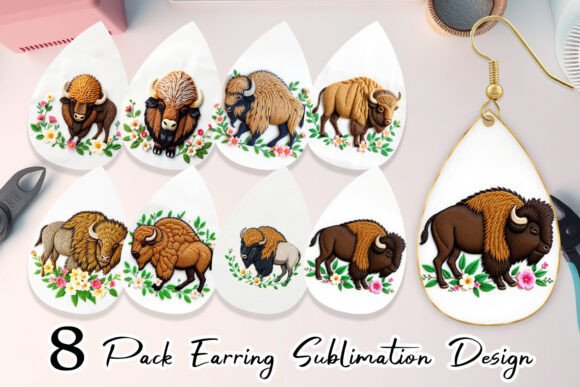
This review explores whether this specific asset is worth your time and storage space, particularly if you are looking to expand your portfolio of Illustrations and Graphics for real-world projects. While the product description highlights its utility for sublimation crafts and teardrop earring designs, I wanted to dig deeper into how it might serve embroidery professionals, small business owners, and creative entrepreneurs.
First Impressions and Visual Appeal
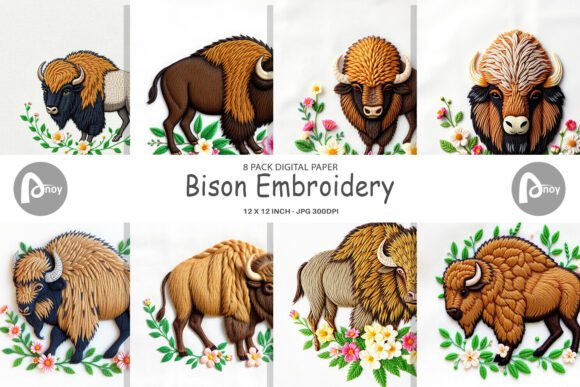
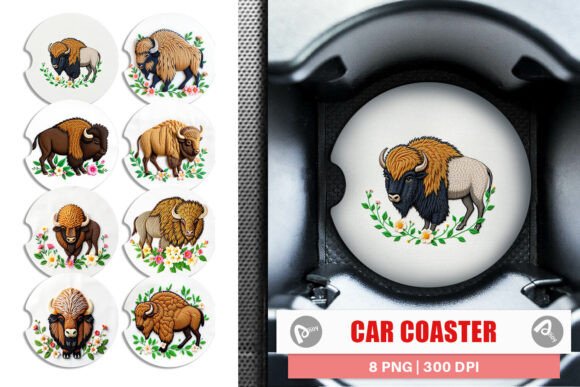
The first thing that stands out about Earring Bison Embroidery is its decorative appeal. The bison motif is iconic, representing strength and nature, while the earring context adds a whimsical, fashionable twist. This combination creates a unique stitching personality that feels both grounded and playful. For embroidery designers, this duality offers versatility. It is not just a standard animal portrait; it is a stylized piece of art that can elevate a simple garment into a statement piece.
The detail level appears sufficient for various applications, from bold statements on larger items to subtle accents on accessories. When considering a machine embroidery design for commercial use, visual clarity is paramount. This design seems to prioritize clean lines and recognizable shapes, which is crucial when translating digital design assets into thread. The aesthetic fits naturally into niches such as western wear, outdoor enthusiasts’ apparel, and bohemian-style home decor.
Real-World Application for Handmade Products
To truly evaluate the potential of Earring Bison Embroidery, I imagined integrating it into several common product lines. Here is how it might perform across different categories:
- Custom Apparel: Imagine this design centered on the chest of a denim jacket or the sleeve of a flannel shirt. The rugged nature of the bison complements durable fabrics, making it an excellent choice for sweatshirt embroidery or heavy cotton tees.
- Tote Bags and Aprons: A tote bag design featuring this motif could appeal to farmers' market shoppers or library patrons who appreciate eco-friendly, artistic goods. Similarly, an apron with this embroidery would make a charming gift for home cooks who love rustic aesthetics.
- Caps and Patches: For curved surfaces like baseball caps, the design’s composition needs to be compact. If the scale allows, it could work beautifully as an embroidered patch, offering a removable option for customers who want to customize multiple items.
- Home Decor: Pillow covers and kitchen towels benefit from designs that are visually striking but not overly dense. This graphic could add a focal point to neutral-toned linen pillows, enhancing nursery decor or living room accents.
For Etsy sellers and craft fair vendors, the uniqueness of the Earring Bison Embroidery concept can help products stand out in a saturated market. It offers a fresh take on wildlife themes, which are perennially popular but often repetitive.
Technical Considerations for Embroiderers
While the visual concept is strong, practical execution requires careful planning. As with any digital embroidery file, there are technical factors to consider before hitting the start button on your machine.
Fabric and Stabilizer Selection: The success of any embroidery project depends heavily on the interaction between thread, fabric, and stabilizer. For stretchy fabrics like jersey knits used in t-shirts, a cut-away stabilizer is essential to prevent puckering. For woven fabrics like canvas tote bags, a tear-away stabilizer may suffice, but testing is key. If you plan to use this on dark fabric, consider using a lighter underlay or adjusting thread colors to ensure the design pops without losing detail.
Stitch Density and Detail: One must evaluate the stitch density relative to the hoop size. Dense areas can cause fabric distortion, especially on smaller items like baby blankets or caps. If the design includes fine details, such as the texture of the bison’s fur or the intricate parts of the earring, ensure your machine can handle the resolution. Tiny lettering or intricate satin stitch borders may require careful tension adjustment to avoid thread breaks or nesting.
Hoop Size Constraints: Always confirm the recommended hoop size before purchasing or downloading. If the design is large, it may not fit on standard 4x4 hoops, requiring a 5x7 or larger frame. For cap embroidery, specialized hoops and techniques are necessary to maintain the design’s integrity on curved surfaces.
Enhancing Product Value and Brand Consistency
Incorporating high-quality graphics like Earring Bison Embroidery into your product line can significantly impact perceived value. A well-executed embroidered item conveys craftsmanship and attention to detail, fostering buyer trust. When customers see consistent, professional-grade stitching, they are more likely to return for future purchases.
Moreover, this design lends itself well to product photography. The contrast between the textured thread and smooth fabric creates visual interest in images, which is crucial for online sales. Whether you are creating a printable mockup for your shop preview or photographing the finished product, the distinctive look of the bison earring motif can enhance brand consistency. It signals to your audience that you offer unique, thoughtfully curated items rather than generic mass-produced goods.
Practical Steps Before You Stitch
Before committing to a full production run, I recommend taking the following steps to ensure quality control:
- Test on Scrap Fabric: Always stitch out a test sample on the same type of fabric you intend to use for the final product. This allows you to check for puckering, thread breaks, or color issues.
- Check Thread Color Contrast: Review the design on both light and dark backgrounds. Adjust your thread palette to ensure visibility and aesthetic harmony. Sometimes, swapping a standard black thread for a deep navy or charcoal can add depth.
- Inspect Small Details: After stitching, examine the fine lines and edges. If the running stitch outlines are too loose or the fill stitch areas are too sparse, you may need to adjust your machine settings or digitizing parameters if you have editing capabilities.
- Verify Licensing and File Details: Since the product description mentions PNG files for sublimation, it is critical to clarify the format for embroidery use. Ensure you are downloading the correct embroidery file formats (such as PES, DST, or JEF) compatible with your machine. Always read the license terms on the Creative Fabrica product page to confirm rights for commercial embroidery and selling finished items.
Final Thoughts on Earring Bison Embroidery
Earring Bison Embroidery presents an intriguing option for designers looking to add character to their collections. Its blend of rustic charm and modern accessory styling offers a versatile foundation for various handmade products. From personalized gifts to boutique merchandise, the design has the potential to resonate with customers who appreciate unique, nature-inspired art.
However, success lies in the execution. By paying attention to technical details like stabilizer choice, stitch density, and fabric compatibility, you can transform this digital asset into a high-quality physical product. For Creative Fabrica users and embroidery professionals alike, this design serves as a reminder that thoughtful selection and meticulous craftsmanship are the keys to building a successful handmade business. Whether you are decorating apparel, creating home decor, or crafting seasonal gifts, this motif invites creativity and offers a distinctive edge in a crowded marketplace.