Reviewing Layers of West Virginia Embroidery Files
As a designer who has spent countless hours digitizing and testing machine embroidery designs, I have learned that not all digital files are created equal. Some look stunning on a screen but turn into a tangled mess of thread breaks and puckering on fabric. Others are robust, versatile, and elevate the final product instantly. Recently, I had the opportunity to evaluate the Layers of West Virginia Embroidery Files, and I want to share my practical insights for fellow embroidery designers, Etsy sellers, and craft business owners considering this asset for their next project.
First Impressions: Mood and Visual Personality
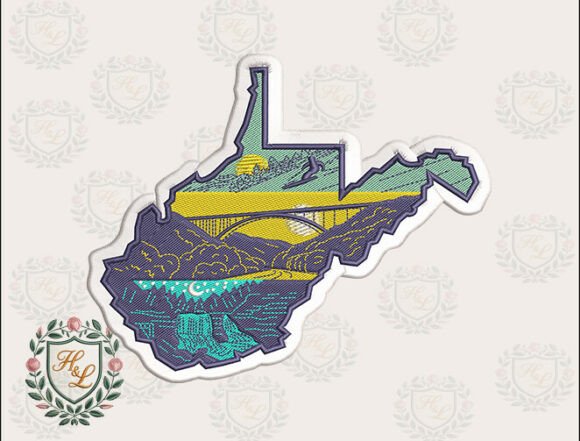
The first thing that strikes you about the Layers of West Virginia Embroidery Files is its distinct sense of place. This is not just a generic map outline; it is an appliqué design that captures the rolling, layered topography characteristic of the region. The mood is rustic yet refined, making it ideal for projects that aim to evoke heritage, nature, or local pride. Visually, the layout relies on overlapping shapes to create depth, which is a clever way to add dimension without excessive stitch density.
For those of us creating products for the North America market, regional pride items are perennial bestsellers. This design fits squarely into that category. It feels at home on a canvas tote bag destined for a farmer’s market, a cozy sweatshirt for a college student, or a decorative pillow in a cabin-style living room. The visual personality is approachable and warm, avoiding the overly technical look that some geographic designs suffer from.
Real-World Application: The Custom Tote Bag Test
To truly understand how a design performs, you have to stitch it out. I decided to test the Layers of West Virginia Embroidery Files on a heavy-weight cotton canvas tote bag. This is a common item for small shop products and boutique branding, so it served as a perfect real-life scenario.
The appliqué nature of this embroidery file means that fabric selection plays a huge role in the final aesthetic. I chose a neutral beige canvas for the base and used contrasting navy and forest green fabrics for the layers. The process required careful placement of each layer, but the result was worth the effort. The satin stitch borders held the fabric edges down cleanly, providing a crisp definition between the layers. On a textured fabric like canvas, the design maintained its clarity, proving that it can handle heavier materials without losing detail.
If you are an Etsy seller looking to expand your personalized gift offerings, this design offers excellent versatility. It works equally well as a standalone statement piece or as part of a larger composition. For instance, adding a monogram in a complementary font could transform this from a simple geographic motif into a high-value custom apparel item or a meaningful holiday gift for someone with ties to the region.
Stitching Performance and Technical Considerations
From a technical standpoint, the Layers of West Virginia Embroidery Files appear to be well-digitized for general use. The transition between the running stitch tacking lines and the satin stitch borders was smooth during my test run. However, there are critical areas where caution is necessary.
Fabric Choice Matters: Because this is an appliqué design, the bulk of the stitch count comes from the border and tacking stitches rather than dense fill stitches. This is generally good news for fabric texture, as it reduces the risk of puckering on thinner materials. However, if you are stitching on stretchy fabric like a jersey t-shirt, a cut-away stabilizer is non-negotiable. The weight of the added fabric layers can cause distortion if the base garment is not properly supported.
Hoop Size and Placement: Before purchasing, you must check the available hoop sizes for this digital embroidery file. While the description suggests it is perfect for shirts and pillows, ensure the largest size fits your machine’s maximum hoop capacity. If you plan to use this on curved surfaces like caps, verify that the design height allows for proper placement without hitting the cap’s seam or brim. Detailed corners in layered designs can sometimes be tricky on smaller hoops, so always review the dimensions provided by the seller.
Thread Colors and Contrast: The visual appeal of this design relies heavily on contrast. In my test, using thread colors that closely matched the appliqué fabric created a subtle, sophisticated look. However, for a bolder statement, especially on dark fabric, consider using a contrasting thread color for the satin stitch border. This highlights the layers and ensures the design does not get lost in the background. Always test your thread colors on scrap fabric first to see how they interact with your specific material.
Commercial Viability for Small Businesses
For craft business owners and commercial embroidery professionals, the Layers of West Virginia Embroidery Files offer strong potential. Regional designs often have higher perceived value because they resonate emotionally with buyers. Whether you are creating embroidered patches for a local tourism board or custom aprons for a boutique café, this design adds a layer of professionalism and authenticity.
When listing these items on platforms like Etsy, high-quality printable mockups are essential. Since this is a layered design, photographing the finished product in natural light helps showcase the texture and depth. Buyers of handmade products appreciate seeing the tangible quality of the stitch work. Ensure your product photos highlight the clean edges of the appliqué and the neatness of the backing, as these details build customer trust.
It is also vital to confirm licensing terms before selling finished items. Most designers allow commercial use for physical products, but restrictions may apply to digital resale or mass production. Always read the license agreement included with your download to protect your business and respect the creator’s intellectual property.
Practical Designer Notes for Best Results
To get the most out of this embroidery project, keep these practical tips in mind:
- Test on Scrap Fabric: Never stitch a new design directly on your final garment. Use a similar fabric scrap to check tension, registration, and color combination.
- Check Stitch Density: While appliqué designs are generally less dense, ensure your stabilizer is appropriate for the cumulative weight of the fabric layers and stitches.
- Inspect Small Details: Zoom in on your digitizing software if possible, or examine the stitched sample closely. Look for any gaps in the satin stitch or loose threads in the corners.
- Consider the End Use: If the finished product will be washed frequently, such as a baby embroidery item or kitchen towel, ensure the appliqué fabrics are pre-shrunk and the stitches are secure.
- Mockup in Black and White: Sometimes viewing the design in grayscale helps identify contrast issues that color might hide.
Final Verdict
The Layers of West Virginia Embroidery Files are a solid addition to any designer’s library of regional assets. They offer a blend of artistic charm and technical reliability that suits a wide range of applications, from casual sweatshirt embroidery to upscale home decor. By paying attention to fabric choice, stabilizer selection, and thread contrast, you can produce a high-quality finished product that stands out in the crowded marketplace of handmade goods. For anyone looking to create meaningful, location-based embroidery projects, this design is worth considering.